Redman vs André 3000: The Rap Battle That Splits Hip-Hop Fans Forever
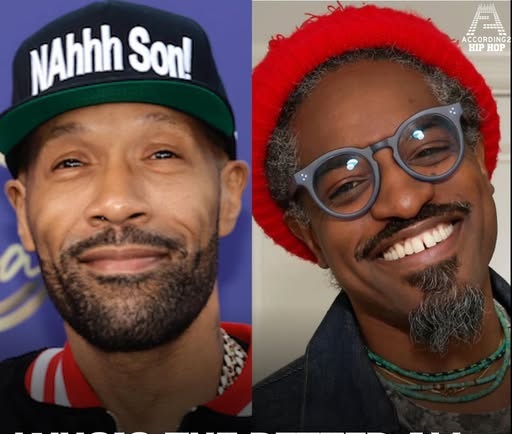
Some hip-hop debates get old after a while.
This one never does.
Put Redman and André 3000 in the same conversation, and rap fans instantly start arguing like it’s a barbershop in 1999 all over again.
Because this debate ain’t really about who can rap better in the basic sense.
It’s deeper than that.
This is skill versus imagination. Punchlines versus poetry. Raw bars versus artistic vision.
And honestly? That’s why people still can’t agree.
On one side, you got Redman. One of the most respected MCs hip-hop ever produced. Not always the flashiest superstar, not always the biggest commercial name, but among rappers themselves? Redman gets serious respect.
The second he entered the game with Whut? Thee Album back in 1992, people could tell he moved different.
His flow felt alive.
Some rappers sound like they’re trying to catch the beat. Redman sounds like he was born inside it. The rhythm feels natural when he raps. Smooth but aggressive at the same time. He could sound wild, funny, dangerous, and sharp all within the same verse.
That balance is hard to pull off.
And the punchlines? Man, Redman been talking crazy on records for decades. Funny lines. Slick disrespect. Weird thoughts somehow turning into hard bars. He always knew how to make people laugh while still sounding like somebody you shouldn’t test.
That’s a rare skill.
A lotta rappers can rap well technically. Few can make listeners grin and rewind the verse immediately afterward.
And Redman’s consistency deserves way more credit than it gets.
Some artists peak for three or four years then fade out. Red stayed dangerous on the mic across multiple eras. Solo albums, features, mixtapes, live performances, even collaborations with Method Man on projects like Blackout! still hit hard years later.
That chemistry between them felt effortless too. Pure smoke-filled New York energy. Funny, gritty, charismatic, raw.
Fans still quote those records now.
And if we talking influence, Redman’s fingerprints are everywhere in modern rap whether younger fans realize it or not. You can hear pieces of his humor, energy, and delivery style in artists that came after him.
Even Eminem openly called Redman one of his biggest influences and even said Red was his favorite rapper at one point.
That says a lot.
Because Eminem studies rap deeply. He doesn’t hand out praise casually.
But then there’s André 3000.
And honestly, talking about André feels different from talking about almost any other rapper.
Because André doesn’t just rap.
He creates moments.
As one half of OutKast alongside Big Boi, André helped completely change how people viewed Southern hip-hop. Before OutKast blew up nationally, a lotta folks in New York and Los Angeles still looked down on Southern rap unfairly.
Then albums like ATLiens and Aquemini dropped and forced everybody to pay attention.
André sounded unlike anybody else.
One minute he’s rapping fast and technical. Next minute he’s emotional, reflective, weird, philosophical, vulnerable, futuristic, all at once. His verses feel layered. Like every time you replay them, you catch another meaning hiding somewhere.
That’s part of what makes him special.
He doesn’t approach songs predictably.
A lotta rappers stay inside one emotional pocket. André constantly shapeshifts creatively. He can sound deeply serious on one track, then completely playful on another without losing credibility.
And his storytelling ability? Different level.
André can paint entire worlds inside sixteen bars. Songs don’t just feel like verses with him. They feel cinematic. You listen closely because you genuinely don’t know where he’s about to go next.
Then came the legendary feature run.
At some point, André 3000 became the rapper everybody feared inviting onto songs because there was a real chance he’d steal the entire record. Whether it was Int’l Players Anthem (I Choose You) or Sixteen, his guest verses started feeling like events by themselves.
Fans waited years just to hear him rap sometimes.
And when he finally appeared, he usually delivered something unforgettable.
That scarcity actually made him feel bigger too.
Unlike rappers constantly flooding the market, André became mysterious over time. Every verse felt important because people didn’t know when the next one was coming.
And beyond music, André’s influence on hip-hop creativity can’t be overstated.
Before artists like Kanye West, Kid Cudi, or Kendrick Lamar pushed emotional openness and artistic experimentation further into mainstream rap, André was already opening those doors years earlier.
He made it feel okay to be different.
To dress differently. Think differently. Rap differently.
That mattered.
Especially during eras where hip-hop could sometimes pressure artists into acting hard nonstop.
So now comes the impossible question.
Who actually wins?
If we strictly talking raw rap ability, bar-for-bar skill, freestyle energy, punchlines, breath control, and destroying beats live onstage, a lotta people would lean toward Redman.
He’s built like a pure MC.
The type of rapper other rappers study carefully.
But if the conversation shifts toward creativity, emotional depth, artistic risk-taking, and cultural impact, André 3000 starts looking untouchable in his own way.
His music feels bigger than technical skill alone.
And honestly, both artists got one interesting weakness too.
Redman stayed incredibly consistent, but he rarely stepped far outside his core style creatively. Fans loved him for exactly who he was, but he didn’t reinvent himself dramatically.
Meanwhile André became almost too mysterious. For all his legendary verses and OutKast success, fans still never got a full traditional solo rap album from him. That missing piece always hangs over conversations about his legacy.
Still, maybe that’s what keeps this debate alive.
Because depending on what you love most about hip-hop, either answer makes complete sense.
If you want somebody to grab a microphone and completely demolish a beat with skill and charisma, Redman feels unbeatable.
If you want somebody who changes how you think about rap itself, André 3000 feels like a once-in-a-generation artist.
One is a master craftsman.
The other feels like a musical explorer.
And hip-hop probably needed both.