Brian McKnight Takes Legal Action Against Rickey Smiley Morning Show
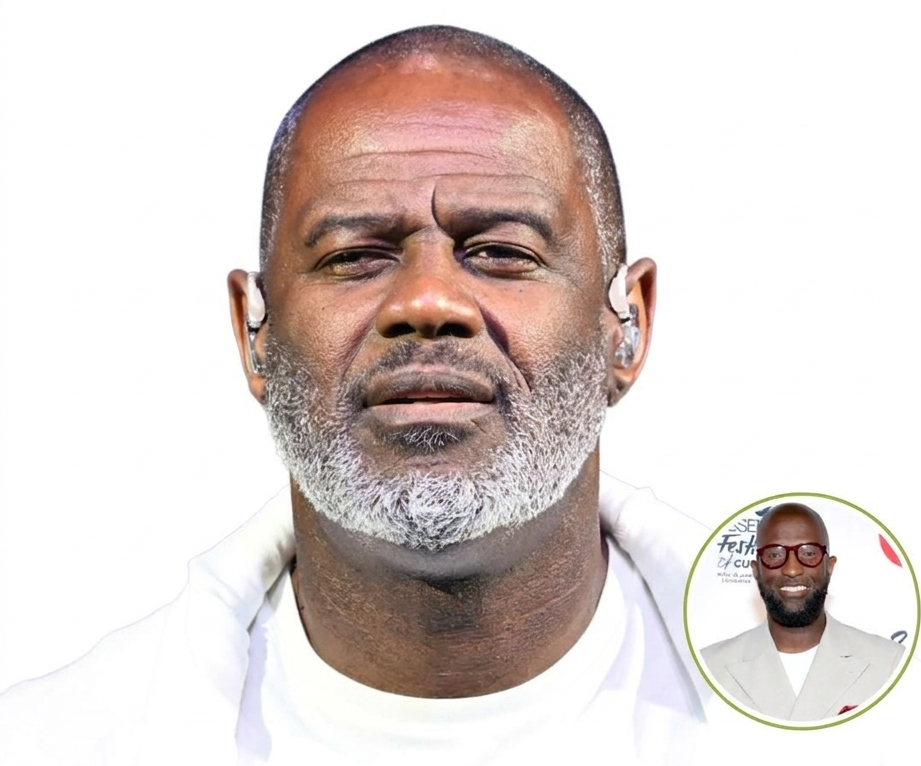
Brian McKnight’s name usually brings up smooth vocals, slow jams, and that calm late-night R&B energy. This is the guy who gave people “Back at One,” the song you still hear at weddings, cookouts, and quiet drives when life gets heavy. He’s been in the game for decades, steady and respected.
But lately, it’s not the music making headlines. It’s court papers, accusations, and a full-on legal fight that’s got the industry talking in a different tone.
Word is, Brian McKnight has filed a defamation lawsuit against The Rickey Smiley Morning Show and radio personality Karen Clark. If you know anything about Black radio culture, you already know that show is a heavyweight. It’s part of the morning routine for millions. People tune in on the way to work, school drop-offs, traffic jams, all of that. So when something is said on that platform, it doesn’t stay local. It spreads fast, like wildfire through the culture.
McKnight is saying some of those comments crossed a serious line.
According to the lawsuit, he’s seeking $25,000 in compensatory damages for each claim, plus punitive damages. Now, for someone with his catalog and success, $25K might not sound like much. But that’s not really the point here. This is more about principle than money. Punitive damages are about punishment, sending a message that something went too far and shouldn’t happen again.
So what actually set this off?
It goes back to comments made during a segment where Karen Clark reportedly spoke about McKnight’s personal life. And that’s where things get tricky. Over the past few years, Brian McKnight’s family situation has been heavily discussed online. Social media has had a lot to say, and not all of it has been kind. People have opinions, arguments, debates, even full-on commentary threads that feel like courtrooms of their own.
But McKnight’s legal team is saying this wasn’t just commentary or opinion. They’re arguing that false statements were made on air, presented like facts, and broadcast to a huge audience without proper verification. In their eyes, that turns gossip into something more serious.
And in entertainment, reputation is everything.
For someone like Brian McKnight, the image matters just as much as the music. R&B isn’t just about vocals, it’s about emotion, trust, and that smooth “real love” energy fans connect to. When that image gets questioned publicly, it doesn’t just stay online drama. It can affect bookings, partnerships, and how the industry treats you behind the scenes. Even artists with long careers can feel that pressure when their name starts getting attached to controversy.
Now, defamation cases are not easy to win, especially for celebrities. The law puts them in a tougher spot. McKnight and his legal team have to prove something called “actual malice.” That basically means they have to show that the statements were made knowing they were false, or that there was no real effort to check if they were true before putting them on air.
That’s a high bar. Courts don’t take it lightly. But McKnight clearly believes there’s enough there to push forward.
And if you look at his career, you can kind of see why he’s taking this seriously. This isn’t a new artist trying to protect a first hit. This is a veteran. A sixteen-time Grammy nominee. A multi-platinum voice that helped shape R&B for a generation. When you spend that many years building your name, you don’t just sit back when you feel it’s being questioned in public without proof.
Whether people agree with his personal life choices or not, there’s still a line between discussing a celebrity and making statements that could damage their career or reputation.
That’s where this situation starts to hit a bigger nerve in the entertainment world.
Normally, radio drama stays on the radio. Someone says something spicy, the artist responds on social media, maybe there’s a back-and-forth, and then it fades into the next headline. That’s how it usually goes. But once lawyers get involved, everything slows down. It stops being entertainment and turns into something way more serious.
Now both sides have to respond officially. After that comes discovery, and that’s where things get real. Emails, messages, recordings, behind-the-scenes communication, all of it can come out. That stage alone can change the entire direction of a case. If nobody settles, it could end up in a courtroom where a judge or jury decides what really happened.
And that’s why the industry is watching this so closely.
This case isn’t just about Brian McKnight or one radio show. It opens up a bigger conversation about media responsibility. These days, everyone is chasing attention. Morning shows, podcasts, blogs, even social media pages are competing to be first, funniest, or most viral. And in that rush, accuracy sometimes takes a back seat.
McKnight is basically saying there has to be accountability. Being on the radio doesn’t mean anything goes. Words still have weight, especially when they reach millions of listeners in real time.
Fans are split, like they usually are in situations like this. Some people think McKnight is going too far and should stay focused on his personal life and music instead of legal battles. Others feel like he’s finally standing up after being dragged through public conversations for too long. Both sides have strong opinions, and that’s part of what keeps this story alive.
No matter where you stand, one thing is clear. This isn’t going away quickly.
Legal cases like this move slow. There will be filings, responses, hearings, maybe even settlement talks behind closed doors. And as that process unfolds, more details will likely leak or become public. That’s just how these cases go when entertainment and law collide.
At the core of it, this situation reflects something deeper about fame. Once your life becomes public, people feel like they can comment on every part of it. But there’s still a line between opinion and damage. Brian McKnight is saying that line was crossed.
And now it’s not just talk anymore. It’s in the courts.
Whatever happens next, one thing is certain. This story has already moved beyond radio chatter. It’s now part of a much bigger conversation about respect, truth, and how far media can go before someone decides to fight back in a courtroom instead of on a microphone.