Gunna Sues Promoters for $750,000 Over X Games Performance Payment
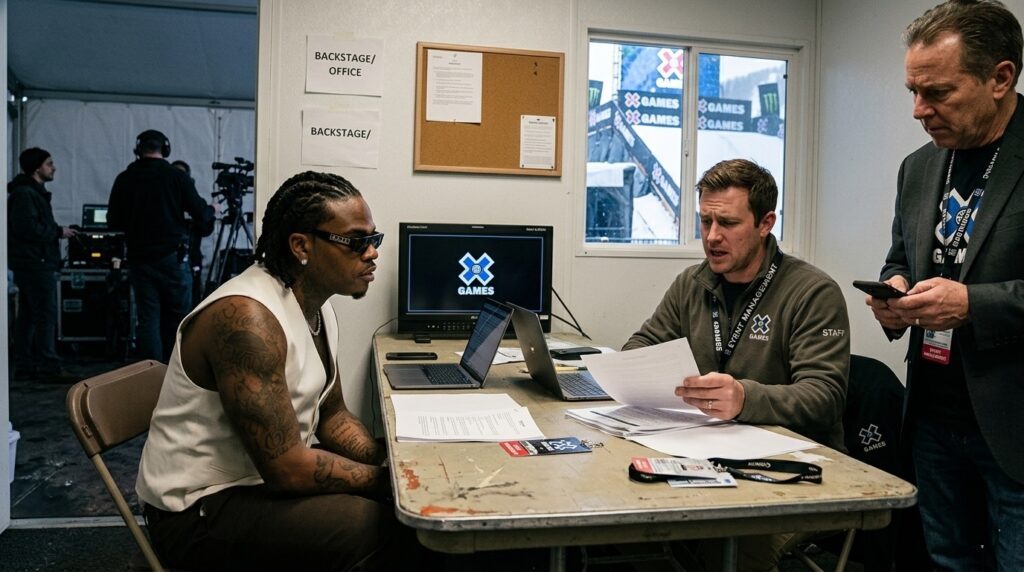
Everybody sees the chains, the cars, the sold out crowds, and the designer fits. That’s the flashy part of rap people love posting online. But behind all that shine, the music business can get ugly real fast. Real cold. And when money starts disappearing, friendships, partnerships, and big corporate smiles don’t mean a thing anymore.
That’s exactly why the whole industry started paying attention when Gunna decided to take concert promoters to court over a missing $750,000 payment tied to his X Games performance. Yeah, three quarters of a million dollars. That ain’t pocket change. That’s life-changing money, even in a business full of millionaires.
The crazy part is, this situation isn’t just about one rapper trying to get paid. This lawsuit cracked open a bigger conversation about how artists get treated once the lights go off and the fans go home.
According to the court papers, the deal sounded simple enough. Gunna was booked as a headliner for the X Games, one of the biggest action sports events in the world. We’re not talking about some random club appearance with a shaky sound system and fifty people standing near the bar. This was major league stuff. Big sponsors. Huge crowd. Cameras everywhere. The kind of event that uses celebrity names to bring in money from every angle possible.
And Gunna’s name was a big part of that machine.
By the time he hit that stage, promoters already had their tickets sold, sponsors lined up, and marketing running crazy online. That’s how these events work. The artist becomes the attraction. The face on the poster. The reason people pull up.
So now Gunna’s side is saying he did his job, performed the show, helped bring attention to the event, and then got left hanging when it was time for the payment to land.
That $750,000 number probably includes way more than just “show money” too. Big artist deals usually come with travel costs, crew payments, production fees, security, hotels, and all kinds of extras packed into the contract. Once you’re moving at Gunna’s level, it takes a whole traveling army to put on a performance.
And let’s be honest, timing matters here too.
Gunna’s career has been under a microscope ever since his legal troubles and the whole YSL situation. Folks spent months online debating his name, his reputation, and whether he could bounce back. Then he dropped A Gift & a Curse, and suddenly everything shifted. The fans showed up heavy. The streaming numbers jumped. People started looking at him like he survived the storm.
That comeback mattered.
So from a business angle, this lawsuit feels personal in another way. Gunna isn’t just fighting for a check. He’s protecting his value. Because in the music industry, perception is everything. If promoters think they can delay your payment or play games with contracts, word spreads fast.
Nobody wants to look weak in business.
That’s why this case got so many artists watching quietly from the sidelines. A lot of rappers probably see themselves in this situation. Maybe not for $750K exactly, but definitely for unpaid deposits, shady contracts, or promoters suddenly acting funny after the performance is over.
Truth is, hip-hop has always had a weird relationship with business. Back in the day, so much of the culture moved off vibes and handshakes. Somebody knew somebody. Deals got made backstage or over late-night dinners. Sometimes paperwork came later. Sometimes it never came at all.
But the money got too big for that.
Once billion-dollar corporations started mixing with rap culture, everything changed. These festivals and brand partnerships aren’t little side hustles anymore. They’re giant businesses. And when giant businesses don’t pay artists properly, lawsuits start flying.
A lot of industry people think Gunna’s case could actually change how concert payments happen moving forward. Bigger artists might start demanding more money upfront before even stepping on stage. Some may push for tighter contracts and safer payment systems where the cash gets locked in ahead of time through third parties.
Basically, nobody wants to chase a bag after the show ends.
And honestly? You can’t even blame them.
Imagine putting together rehearsals, flights, hotels, styling, security, and a full performance just to end up arguing with lawyers months later. That’s enough to make any artist lose trust fast.
Now the promoters involved haven’t fully laid out their side yet, but people already got theories about how they might fight this. They could claim there were issues with production requirements or problems with the agreement itself. Maybe they’ll say certain conditions weren’t met. Maybe they’ll point at weather issues or schedule changes tied to the event.
That’s usually how these fights go. Everybody starts reading the fine print real carefully once the money disappears.
But even outside the courtroom drama, this story says something bigger about where hip-hop is right now.
Rappers today aren’t just artists anymore. They’re brands. Full businesses. Gunna isn’t only selling songs. He’s selling influence, attention, fashion, image, and culture all at once. That’s why protecting his business reputation matters almost as much as protecting the music itself.
And you gotta admit, the visuals around this whole thing almost make the story even crazier. While news about the lawsuit spread online, pictures of Gunna popped up everywhere looking calm as ever. Clean jewelry. Sharp shades. Designer fit perfectly pressed. Dude looked completely unbothered.
That’s part of the game too.
In hip-hop, image always talks before words do. Looking confident while fighting a huge legal battle sends a message without even speaking. It tells people, “I’m standing on business.”
Fans respect that energy.
Still, there’s another layer underneath all this that people don’t always mention. A lot of artists come from backgrounds where financial security was never guaranteed. So getting cheated out of money hits deeper than just numbers on paper. It can feel personal. Like disrespect.
That’s probably why so many fans online instantly sided with Gunna once the lawsuit news dropped. To regular people grinding every day, not getting paid after doing your work feels familiar. Whether it’s rap or a regular nine-to-five job, nobody likes feeling played.
At the end of the day, this whole fight is about more than one concert check. It’s about power. Respect. Control. And making sure artists stop getting treated like they should just smile and keep performing while somebody else holds the bag.
Gunna may be suing over $750,000, but the real message behind this whole thing is simple. If artists build the show, bring the crowd, and move the culture, then they deserve every dollar they earned. No delays. No funny business. No disappearing acts after the stage lights shut off.