Chance the Rapper Wins a $3 Million Lawsuit… and Only Gets $35? Here’s Why He’s Smiling
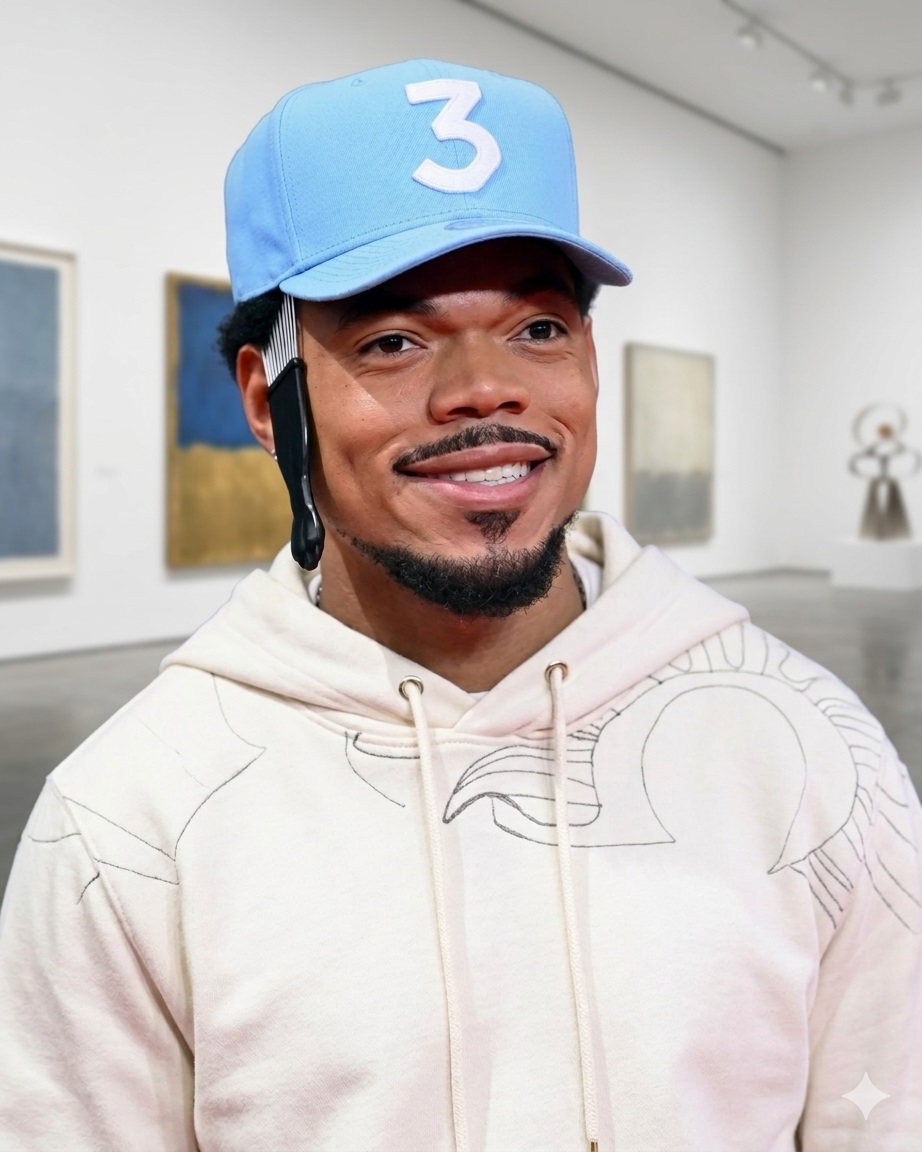
Most people would’ve walked out that courtroom tight. Angry. Frustrated. Maybe even embarrassed.
Chance the Rapper walked out smiling.
And not that fake smile either. It looked like a man who just got something back that money can’t really measure. Because on paper, the number looks like a joke. Thirty five dollars. That’s it. After five years of legal fights, arguments, and millions being talked about, that’s what the jury landed on.
But the real story? It wasn’t about the money at all.
It was about control, trust, and what happens when business between friends goes sideways.
This whole thing started back in 2020. Before courtrooms, before headlines, before all the back and forth. Chance the Rapper and his longtime manager Pat Corcoran had already split ways. For years, Corcoran was right there in Chance’s corner, helping guide his career from Chicago mixtape buzz to Grammy-winning success.
But after the breakup, things got messy real quick.
Corcoran came back with a lawsuit asking for around 3 million dollars. He said he was owed unpaid commissions, claiming there was an agreement that kept him entitled to money even after their partnership ended.
And that’s where things started getting heated.
Because Corcoran wasn’t just talking about contracts and percentages. He also started speaking on Chance’s music, especially The Big Day from 2019. He called the project weak and suggested that Chance blamed him for the album’s reaction instead of owning it.
That hit a nerve in the public conversation. Now it wasn’t just business. It felt personal.
And once it gets personal in the music industry, everything gets louder.
As the case moved through court, one big question kept coming up. Did they actually have a real agreement that supported Corcoran’s claims? Or was everything built on trust and verbal understanding that never made it onto paper?
Corcoran’s side said there was a handshake deal. Something informal but real in practice. He believed he was supposed to continue getting paid even after the split.
But Chance told a very different story when he took the stand.
He said there was never any written contract guaranteeing post-split payments. No clear agreement saying money would continue after their working relationship ended. Just years of working together, building success, and handling things informally like a lot of creative partnerships do in the industry.
Then came the part that really changed the energy in the courtroom.
Chance revealed he had already paid Corcoran over 11 million dollars during their time together.
That number landed heavy. Because suddenly, this wasn’t a story about an unpaid worker being ignored. It became a story about two people who had already made a massive amount of money together, and were now fighting over what was left behind.
The court process dragged on, stretching into years. Evidence, arguments, counterclaims. The whole thing turned into a long, drawn-out fight that felt like it would never end.
Then finally, on March 20, 2026, the verdict came in.
The jury rejected Corcoran’s 3 million dollar claim completely. No payout. No agreement in his favor. That part of the case was done.
But they didn’t stop there.
They also looked at Chance’s countersuit, where he accused Corcoran of using parts of his brand and business in ways that weren’t approved after the split. Chance asked for 1 million dollars in damages.
Instead, the jury gave him 35 dollars.
On the surface, that sounds almost like a joke. Something you’d expect to see online as a meme, not a legal outcome after years of litigation. But in the courtroom, that number carried a different meaning.
It wasn’t about the money. It was symbolic. It represented a technical win, a legal acknowledgment that his claim had standing, even if the financial reward was minimal.
And the real victory was something else entirely.
The jury recommended that Corcoran give up control of ChanceRaps.com, a website tied to Chance’s brand, music, and merchandise.
That part mattered way more than the dollar figure. Because in today’s music business, ownership is everything. A website tied to your name is not just a page online. It’s your identity, your merch, your connection to fans, your control over your own narrative.
That’s the real prize.
After everything, Chance stepped outside the courtroom and didn’t even focus on the numbers. No celebration about the 35 dollars. No long speech about revenge or winning.
He kept it simple.
“I claim victory in the name of the Lord,” he said.
And just like that, the entire story shifted.
Because in a world where people expect lawsuits to end with big payouts or dramatic losses, this one ended somewhere else. It ended with control being returned, with ownership being protected, and with a reminder that not every win shows up in dollars.
In the music industry, this case is already being talked about behind closed doors. Managers, artists, and lawyers are paying attention. Because even Corcoran’s own legal team admitted something important during the process.
If deals aren’t written clearly, things can fall apart fast.
That line hits harder than anything else in the case.
For Chance, this was never just about a paycheck. It was about making sure his name, his work, and his independence stayed his. After years of building a career from the ground up, he wasn’t about to let confusion or old agreements define his future.
And maybe that’s the real takeaway here.
Sometimes the smallest number in a court ruling carries the biggest weight in real life.
Because in this case, 35 dollars wasn’t the story.
Control was.