Fat Joe Joins Hip-Hop Icons in Urging Supreme Court to Halt Texas Execution
Hip-hop always had this weird relationship with the courtroom. The same lyrics people scream in clubs at 2 a.m. suddenly sound “dangerous” when some prosecutor reads them with a stiff voice in front of a jury. That’s the ugly tension sitting right in the middle of one of the wildest legal fights the culture has seen in years. And now some of rap’s biggest names are stepping up because, to them, this ain’t just about one man anymore. This is about the future of rap itself.
Picture this for a second. A teenager sits in a room with a beat playing through cheap headphones. He starts writing bars about fear, violence, survival, anger, revenge. Maybe he’s pulling from real life. Maybe he’s exaggerating. Maybe he’s trying to sound tougher than he really is because that’s part of rap culture. That’s been happening since the days of park jams in the Bronx. Hip-hop has always been storytelling mixed with pain, fantasy, and performance.
Now flip the scene.
Imagine those same lyrics getting handed to twelve strangers in a courtroom while a lawyer points at the page and says, “See? This proves he’s evil.”
That’s exactly what’s happening in Texas right now, and the rap world is looking at it like, “Nah, this can’t be real.”
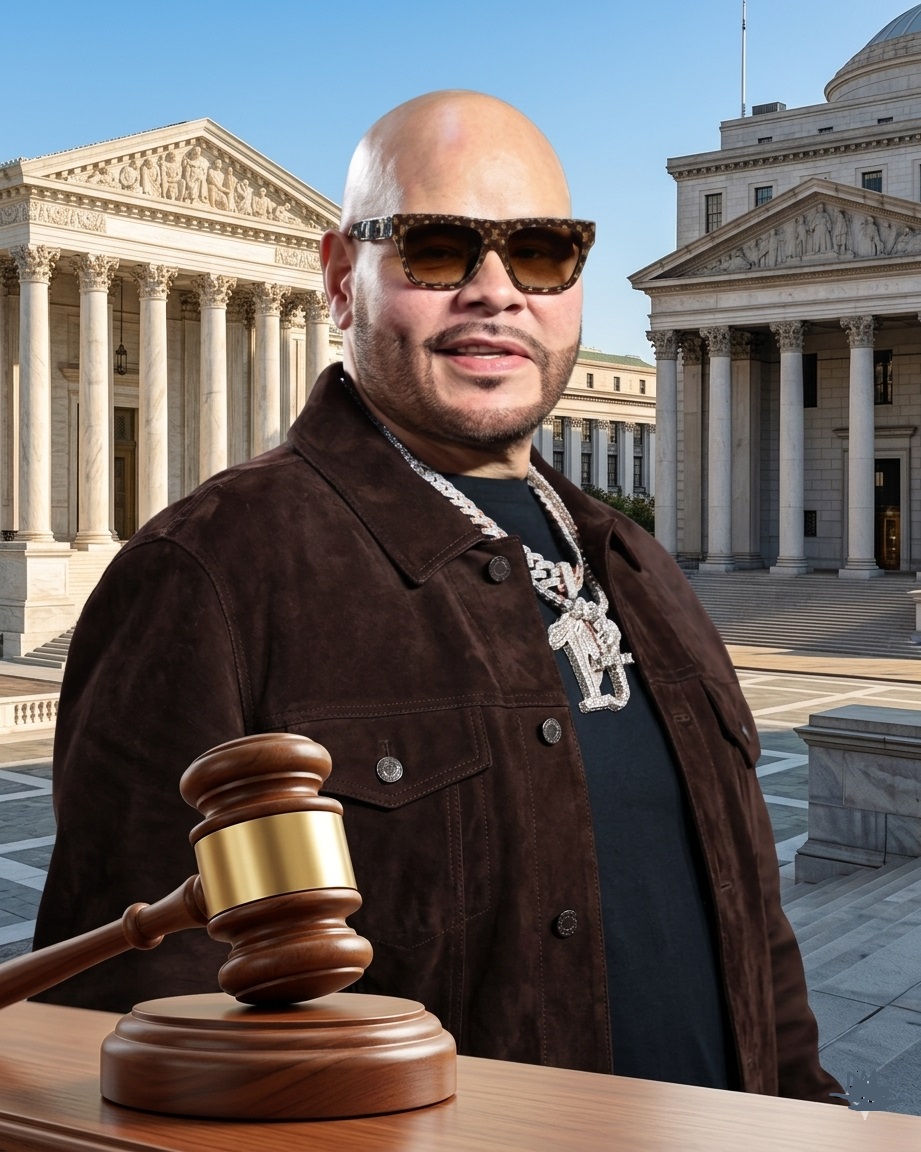
A whole lineup of artists jumped into the fight. We’re talking about legends and respected voices like Fat Joe, Killer Mike, T.I., and Young Thug. Even Travis Scott got involved. These artists are backing an urgent appeal tied to a Texas death penalty case involving a man named James Garfield Broadnax.
And the details are heavy.
Broadnax was only 19 years old when he got accused of killing two men during a robbery outside a recording studio in Garland, Texas, back in 2008. He was convicted a year later. But now the spotlight is on what happened during sentencing, because prosecutors leaned hard on his rap lyrics to paint him as some unstoppable violent threat.
That’s the part that got the whole culture heated.
The rappers supporting the appeal are basically saying the justice system treated creative writing like a confession letter. They filed legal papers arguing that prosecutors crossed a dangerous line by using rap lyrics as proof of future violence.
And honestly, you can see why people are nervous about it.
Rap has never been clean-cut storytelling. It’s exaggeration. It’s emotion turned all the way up. It’s like action movies with bass. Half the time rappers are playing characters bigger than real life itself. Nobody watches gangster movies and assumes the actor is secretly planning crimes after filming wraps up. Nobody hears heavy metal lyrics and thinks the singer is literally summoning chaos. But rap? Different rules suddenly show up.
That’s been the frustration for years.
Fat Joe spoke on it in a way that hit home for a lot of people. He basically said what everybody in hip-hop already knows: not every lyric is real life. Rappers talk crazy sometimes because that’s part of the art form. It’s performance. It’s storytelling. It’s emotion. If every line in every rap song was true, half the industry would’ve been locked up twenty years ago.
The scary part is how much those lyrics seemed to affect the jury.
During the punishment phase of Broadnax’s trial, prosecutors reportedly handed jurors over 40 pages of handwritten rhymes. The jury even asked to see the notebooks again while deciding whether he should get the death penalty. Think about that. Bars written in a notebook suddenly became one of the biggest things influencing whether somebody lives or dies.
That’s chilling, man.
One prosecutor reportedly read lyrics out loud talking about robbery and violence, then turned around and basically called Broadnax a psychopath. But people inside hip-hop keep asking the same question: are those words actual evidence, or are they just rap lyrics being misunderstood by people outside the culture?
Because rap has always been theatrical.
Look at guys like Tupac Shakur or The Notorious B.I.G.. They built entire worlds inside songs. Fear, crime, pressure, survival, paranoia. Some stories came from real life. Some were dramatized. Some were straight-up imagination mixed with truth. That blend is what makes hip-hop powerful in the first place.
Killer Mike made a strong point too. He said art is still art, no matter how dark it sounds. And he’s right. Music is supposed to explore emotions people are scared to talk about openly. Sometimes rappers say the wildest possible thing because shock and intensity are part of the culture.
That doesn’t automatically make it a criminal confession.
The legal team backing the appeal says the lyrics were used to play into old stereotypes, especially around young Black men being viewed as naturally violent. That’s another reason this case has people paying attention way beyond rap fans. For a lot of folks, this isn’t just a music issue. It’s about bias, race, fear, and how certain forms of expression get judged differently.
And here’s the crazy thing. This ain’t rare anymore.
Researchers have found hundreds of cases where rap lyrics were used in courtrooms across America. Nearly 700, according to some studies. Most of those cases involve Black or Latino defendants. That pattern got people asking uncomfortable questions. Why does rap get treated differently from every other art form?
Because let’s keep it real. Plenty of country songs talk about shooting people. Rock music got violent lyrics too. Horror movies show things ten times crazier than most rap songs ever describe. But rap keeps ending up under a microscope.
That’s why this case feels bigger than one trial.
The culture sees this as a line in the sand. If lyrics can be treated like criminal evidence whenever authorities want, then every rapper becomes vulnerable the second they touch a pen. Suddenly creativity turns risky. Young artists might start censoring themselves out of fear that a metaphor could one day get read in court by somebody trying to lock them away forever.
That changes the whole spirit of hip-hop.
What makes rap special is honesty mixed with imagination. The rawness. The ability to say ugly things society doesn’t wanna hear. Taking that away would drain the soul out the music.
Right now, the U.S. Supreme Court hasn’t made a final move. Nobody knows if they’ll step in or not. But the attention around this case keeps growing because artists are refusing to stay quiet about it.
And honestly, you can’t blame them.
To hip-hop, this ain’t just about one notebook full of rhymes. It’s about whether art still gets to be art. Whether storytelling can survive without being twisted into evidence. Whether a verse is allowed to stay a verse instead of turning into a death sentence.
That’s the real fight happening here. Not just in Texas, but across the whole culture.