The Healing of a General: Kevin Gates on Trauma, Accountability, and Protecting the Innocent
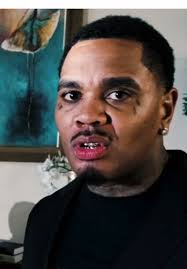
If you’ve been following rap for a while, you already know Kevin Gates never really fit into the neat boxes people try to put artists in. Dude always felt like he was carrying two worlds at the same time. One side of him was loud, street-tough, sharp-eyed, like he’s seen too much to ever relax fully. The other side? Deep thinker, always talking about energy, healing, discipline, and changing your life from the inside out.
For years, though, the internet didn’t really care about the second part.
Blogs, interviews, gossip pages they leaned hard into the “dangerous guy” image. The kind of narrative where people act like he’s just some untouchable force from Baton Rouge you don’t want to cross. And yeah, Gates didn’t exactly fight that image early on. He moved a certain way, talked a certain way, trained like his life depended on it. Martial arts, boxing, constant grind. It all looked like aggression from the outside looking in.
But in 2026, when he sat down on Shannon Sharpe’s Club Shay Shay, the whole story cracked open in a different direction. No performance, no mask, just honesty sitting in the room heavy as anything.
Shannon didn’t tiptoe around it. He asked Gates a question most people would avoid like the plague. Straight up, he asked if Gates had ever been sexually assaulted as a child.
No dodging. No hesitation. Gates said yes.
And just like that, the image people had built in their heads for years started shifting in real time. Not because it was shocking, but because it explained so much that people never understood about him.
See, what Gates revealed wasn’t just a painful memory. It was the root of a lot of his early behavior. The intensity. The anger. The way he stayed ready for anything at all times. He explained that the violence people saw wasn’t him being a “monster” like the internet liked to say. It was fear. Deep fear. Fear that something like that could ever happen to him again.
So he built armor.
He trained his body like it was a weapon and a shield at the same time. Not for clout, not for show he wanted control over something he once had none over. When you hear him say it out loud, it hits different. “I exhibited a lot of violence out of fear,” that was basically his truth in one line.
That’s the part a lot of people miss when they look at street legends or artists with rough backgrounds. The toughness is often a response, not the identity.
One of the most intense moments in that conversation came when Shannon asked if the person who hurt him was still around. Gates didn’t blink. He said the person was gone, not in his life anymore, not a threat, not a shadow over him now.
You could feel the weight lift just from how he said it. Like a door finally closed that had been stuck open for years.
And that closure matters more than people realize. Because when someone spends their whole life in survival mode, peace doesn’t come easy. You don’t just wake up one day and switch it off. But Gates reaching that point meant something had shifted. He wasn’t just reacting to life anymore. He was actually living it.
That change shows up most in how he talks about being a father.
He used to be the guy people associated with chaos energy, street codes, and raw survival instincts. Now, he’s talking about protection in a different way. Not just protecting himself, but protecting kids, protecting innocence, protecting the next generation from going through what he went through.
That mindset shows up in his music too. Tracks like “Protect Children” from his project The Ceremony aren’t just songs. They feel more like messages he had to get out of his system. Less flexing, more warning. Less ego, more responsibility.
And in the interview, he made something very clear: the old version of him is not the direction anymore. That lifestyle, that mindset, that identity built on constant defense it’s done.
Now his focus is home, structure, and teaching his kids boundaries that he never had growing up. He said something that stuck with people: his children know nobody touches them like that. Not strangers, not friends, not even him. That’s a big statement, especially coming from someone who grew up in environments where boundaries were often blurred or ignored completely.
What he’s building now is the opposite of what broke him.
But maybe the most unexpected shift in Gates isn’t just about his family. It’s how he’s affecting other men.
Hip-hop has always had this hard shell around masculinity. Don’t cry. Don’t talk. Don’t show weakness. Stay solid at all times. But Gates has been slowly pulling that wall down in front of everybody. Not by preaching, but by being honest about his own life.
He’s talked about grown men, bodybuilders, street guys people you wouldn’t expect coming up to him just to let emotions out. No cameras, no performance. Just real release. A hug, a breakdown, a moment of honesty they probably never allowed themselves before.
And Gates calls that healing. He doesn’t act like it’s strange. He encourages it. Because for him, holding everything inside is what kept the pain alive for so long.
That shift alone makes him different from a lot of artists in his lane. He’s not just talking about surviving anymore. He’s talking about processing what survival did to you.
Still, don’t mistake his growth for softness.
Gates is very clear about one thing he has zero tolerance for people who harm children. That part of him hasn’t softened, and honestly, most people agree with him on that. He’s said it in plain terms that hit the internet hard: if you hurt a child, there’s no place for you in his world.
It’s not street talk. It’s moral line talk. The kind of boundary that doesn’t bend.
So when you look at the full picture, Kevin Gates’ story isn’t just about fame or rap success. It’s about someone who carried pain for years, built a life around protecting himself from it, and then slowly started turning that same energy into protection for others.
From Baton Rouge streets to global stages, from survival mode to leadership mindset, his journey feels like a long conversation with himself that the world finally got to overhear.
And now, instead of just being known as a tough voice in rap, he’s becoming something else entirely a reminder that even the most hardened people can rebuild themselves from the inside out, and use everything they went through as fuel to protect somebody else from going through it too.