The Real Story of Eminem’s “Brain Damage”: How a Childhood Beatdown Built a Legend
In the world of hip hop, being
"real" is the biggest deal. Rappers love to talk about their hard
lives, but not many have the hospital papers and court records to prove it like
Marshall Mathers, the guy the whole world knows as Eminem. Everybody knows he sells
diamonds and spits fire on the mic, but the real start of his story goes back
to 1982, when a school fight almost took him out before he even got a chance to
shine.
This is the real deal about DeAngelo Bailey,
the dude who beat Marshall Mathers so bad he slipped into a coma, and the man
who later tried to sue the rap god for spitting the truth.
The Nightmare at Dort Elementary
Way before he was famous, Marshall Mathers was
a little skinny kid, always moving back and forth between Missouri and
Michigan. By the time he showed up at Dort Elementary in Roseville, Michigan,
he was always the "new kid," which made him an easy target for
bullies.
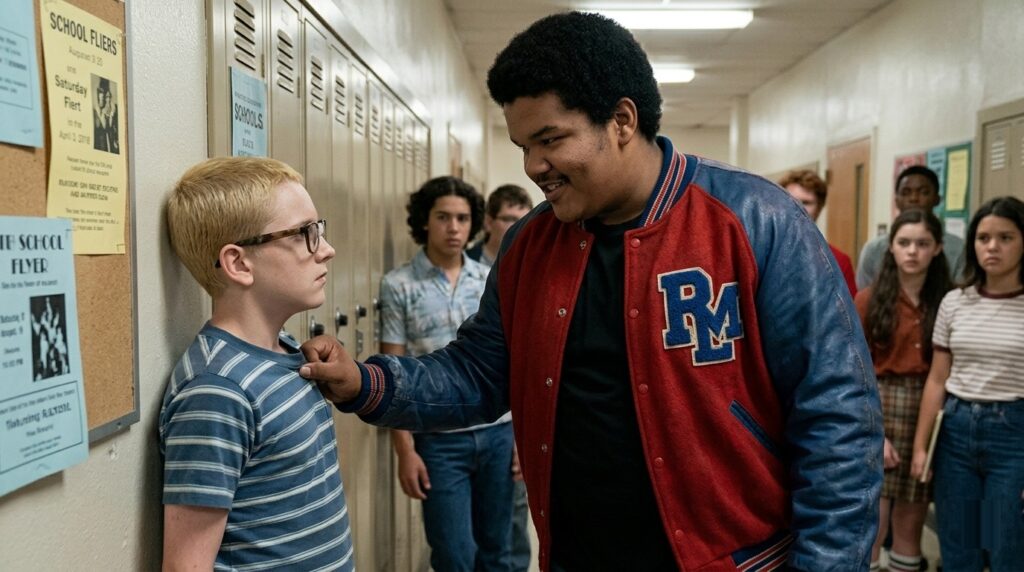
One of those bullies was a bigger, older kid
named DeAngelo Bailey. School papers and later court talks show that Bailey's
messing around wasn't just pushing and shoving in the hall. It was a straight
up "reign of terror." The worst of it went down in January 1982.
Like Eminem tells it in his 1999 song
"Brain Damage," Bailey trapped a nine year old Marshall in the school
bathroom. The beatdown was nasty. Bailey supposedly slammed Marshall's head
against a urinal so hard it messed up his brain bad. Marshall didn't just get a
black eye. He got a brain bleed and fell into a coma that kept him down for
days.
His mom, Debbie Nelson, sued the Roseville
school district that same year. She said the school didn't do enough to stop
the "out of control bullying." The case got thrown out later because
of some government rules, but the damage, both on his body and in his head,
never really went away.
Turning Pain into "Brain Damage"
Fast forward to 1999. Eminem, now signed to
Dr. Dre's Aftermath label, dropped The Slim Shady LP. That album
was full of dark jokes and raw real talk, but track five, "Brain
Damage," hit different. It was a straight up, real life story about his
messed up childhood.
In the song, Eminem called the dude out by
name:
"I was harassed daily by this fat kid
named DeAngelo Bailey… An eighth grader who acted obnoxious 'cause his father
boxes… So every day he'd shove me in the lockers."
The words painted the bathroom beatdown in
bloody detail, talking about the broken nose, the clothes soaked red, and
feeling like he couldn't do nothing. For Eminem, that song was like letting all
that pain out, a way to take back power from the guy who almost killed him. For
DeAngelo Bailey, now working sanitation in Michigan, the song looked like a
quick way to cash out.
The Lawsuit: A Bully's Last Move
In 2001, DeAngelo Bailey hit Eminem with a $1
million lawsuit for defamation. Bailey's argument was weird. He said the song
messed up his good name and even ruined his own shot at being a rapper. He
claimed Eminem lied about how bad the bullying was just to get "street
cred" and play the victim so he could fit into hip hop.
But Bailey's whole case had one giant problem:
he already ran his mouth.
Back in 1999, before he even filed the
lawsuit, Bailey talked to Rolling Stone magazine and basically
admitted to everything. He told them, "There was a bunch of us that used
to mess with him. We flipped him right on his head at recess. When we didn't
see him moving, we took off running." By saying that, he proved that even
if Eminem's lyrics got a little wild, like saying his "brain fell
out," the real hurt part of the story was true.
The Verdict: A Judge's Viral Moment
The whole thing ended in October 2003 in a
Macomb County courtroom. Judge Deborah Servitto had to decide if Eminem really
lied on his old bully.
And here's where it gets legendary. Judge
Servitto didn't just shut the case down. She did it in rhyme. She knew this was
all about rap music, so she wrote a ten page ruling that included her own
"rap" to explain why Bailey didn't have a case. She wrote:
"Mr. Bailey complains that his rap is
trash.. So he's seeking compensation in the form of cash… Bailey thinks he's entitled
to some monetary gain… Because Eminem used his name in vain."
She kept going:
"The lyrics are stories no one would take
as fact…They're an exaggeration of a childish act… It is therefore this Court's
ultimate position…. That Eminem is entitled to summary disposition."
The judge said the First Amendment protects
artistic expression and that no "normal person" would hear a Slim
Shady song and think it was a real doctor's report. And since Bailey already
said he was a bully, the heart of Eminem's story was "basically
true."
The Legacy of the Story
The whole deal with Eminem and DeAngelo Bailey
ain't just some random celebrity gossip. It's a huge piece of the Artist
Success Stories puzzle. It shows how powerful hip hop can be. Eminem took a
moment when he had zero power, lying in a hospital bed at nine years old, and
flipped it into a multi platinum record and a court win that locked in his spot
as one of the realest in the game.
DeAngelo Bailey is just a side note in rap
history now, the bully who got roasted by a judge. But Marshall Mathers took
that "Brain Damage" and built a whole empire. He showed the world
that in the rap game, the pen is way stronger than the fist.