Dr. Dre Just Hit Billionaire Status And His Path to Wealth Is Wild
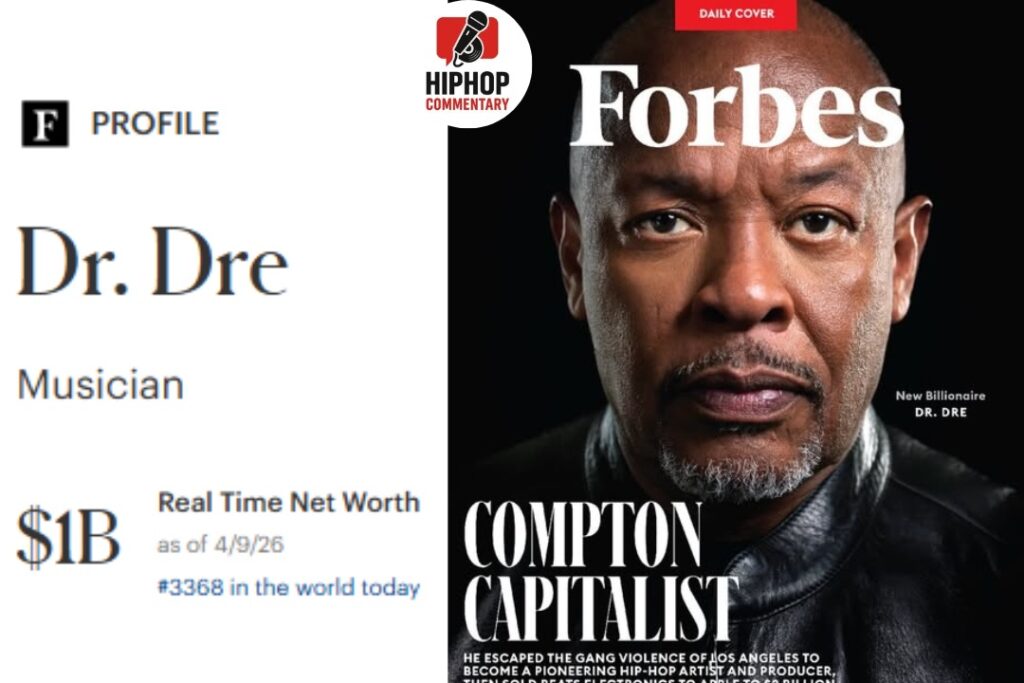
Dr. Dre just hit a level most people in music never even get close to. Not platinum. Not legend status. Something way beyond that. He’s officially a billionaire now, and yeah, that’s not just hype talk, that’s real numbers backing it up.
For a guy who came up from Compton, shaping beats in small studios and grinding through the early days of hip-hop, this moment feels almost unreal. Dre isn’t just part of rap history anymore. He’s sitting at the top of the financial game too.
And the crazy part? Music alone didn’t do this. It was everything around it.
The biggest turning point came back in 2014 when Apple bought Beats by Dre for around $3 billion. That deal shook the tech and music world at the same time. It wasn’t just about headphones. It was about branding, culture, and the way people listen to music.
Dr. Dre co-founded Beats with Jimmy Iovine, and when Apple stepped in, Dre’s stake turned into a life-changing payout. According to Forbes, that single move is what pushed him into billionaire territory.
But if you think this is just a story about one lucky deal, that’s not the full picture.
Dre’s journey started way before headphones and tech companies. It started in the studio, behind the boards, building sounds that changed hip-hop forever. Back in the N.W.A days, he wasn’t just making beats. He was building a new language for rap music.
That raw West Coast sound? Dre helped define it. The heavy bass, the clean but hard production, the way the music felt cinematic. That became his signature.
And from there, he never really stopped shaping the culture.
Look at the names tied to him. Eminem. 50 Cent. Snoop Dogg. Kendrick Lamar. That lineup alone tells you everything. Dre wasn’t just producing tracks. He was building careers, finding talent, and turning unknown artists into global stars.
Eminem’s rise is one of the clearest examples. Dre saw something in him when a lot of people didn’t. Same with 50 Cent. That early backing changed everything for both of them. And in return, it strengthened Dre’s position as one of the most powerful figures in hip-hop.
But what makes Dre different is he never stayed stuck in just music fame. He treated every move like it was part of something bigger.
While other producers stayed in the studio, Dre was watching the business side closely. Branding. Ownership. Equity. He wasn’t just chasing hits. He was building something that could last beyond music charts.
That mindset is what separates him from a lot of artists of his generation.
Even after selling Beats, Dre didn’t disappear or slow down. He stayed involved in entertainment, mentoring artists, and still influencing sound in subtle ways. His fingerprints are still all over modern hip-hop, even if he’s not dropping albums like before.
And now, with Forbes officially placing him in the billionaire category, the conversation around his legacy is shifting again.
Because this isn’t just about money. It’s about what that money represents.
For decades, hip-hop has been about storytelling, struggle, and success. But there was always this question in the background. Can artists actually turn cultural impact into long-term wealth? Not just fame, but real generational money.
Dr. Dre is one of the clearest answers to that question.
His net worth today doesn’t come from one place. It’s a mix of music royalties, business deals, investments, and of course, the Beats deal sitting at the center of it all. That Apple acquisition didn’t just pay him. It redefined what was possible for artists who think beyond the booth.
And that’s why this moment feels bigger than just Dre himself.
In hip-hop, we’ve seen legends come and go, but very few have crossed into the kind of financial territory Dre just entered. It puts him in a different lane entirely, not just as a producer or artist, but as a business figure on a global level.
Still, what makes Dre’s story hit different is how grounded it started. No shortcuts. No overnight success. Just years of building, failing, learning, and staying consistent long enough for the right moment to click.
From Compton studios to Apple boardrooms, that’s a wild jump when you really sit with it.
And now the culture is watching something else unfold too. Because Dre’s rise is setting a blueprint. Younger artists aren’t just thinking about albums anymore. They’re thinking about ownership, branding, tech, and long-term moves.
You can already see it in how artists talk about business today. Everyone wants a piece of what Dre built.
But here’s the thing. You can’t really copy it. Dre’s path was built over decades, not viral moments. It came from timing, vision, and being early on ideas most people didn’t fully understand yet.
That’s what makes it rare.
And now that he’s officially a billionaire, the conversation shifts again. Not just “how did he do it,” but “who’s next.”
Because in hip-hop, milestones like this don’t just stay personal. They echo through the whole culture. They change expectations. They reset what success looks like.
Dr. Dre went from shaping beats in the studio to shaping business history. And whether people realize it or not, that transition might be one of the most important stories in modern music.
Not just a rapper. Not just a producer.
A billionaire who helped change the entire game.